
No matter what diet or nutrition plan you follow, I think we can all agree that protein is vital for good health. Proteins, or their component parts amino acids, are found in the structure of pretty much every cell in our bodies. I think that that in itself is an excellent reason to make sure we include only high-quality protein sources in our diets. So, sit back and let me tell you a bit more about protein – cast your mind back to biology at school…
First the science bit…
As I mentioned above, proteins are made up of amino acids. There are 20 of them altogether, and they combine in various ways depending on their function. Some of these amino acids are needed throughout our lives and some are conditionally essential amino acids. This just means that we only need them at certain times – I’ve marked these with a *. I’m not going to go into a full briefing on the conditionally essential amino acids here – that will be a separate article 😉
There are 9 essential amino acids – these are the ones that our bodies can’t make, so we have to supply them in our diet. I find their names very pleasing, for some reason:
- Histidine
- Isoleucine
- Leucine
- Lysine
- Methionine
- Phenylalanine
- Threonine
- Tryptophan
- Valine
And then there are the 11 non-essential amino acids – these are the ones that our bodies can create naturally:
- Alanine
- Arganine*
- Asparagine
- Aspartic Acid
- Cysteine*
- Glutamic Acid
- Glutamine*
- Glycine*
- Proline*
- Serine
- Tyrosine*
It’s okay, you don’t have to memorise them – I won’t be giving a pop quiz later!
If protein is so great, what does it actually do for us?
Honestly? Without protein, we would just be a soupy mess! Proteins are the building blocks of body tissue so they have the following functions, among others:
- Repairs and builds muscle
- Production of antibodies
- Making hormones and enzymes
- Aids the digestion and absorption of food
- Helps transport oxygen to tissues
- Makes up the structure of muscles, tendons, organs, bones, hair and skin
See what I mean? It’s pretty important!
Okay, so how does our body digest and use protein?

Fun fact – 90% of the protein we eat is broken down into amino acids. These amino acids form a standby team which is used to build and repair tissue, produce antibodies, and so on. However, they have no direct form of storage in the body so we need to ensure we eat protein-based foods regularly – preferably the high-quality type!
When protein-based food reaches our stomach, the enzyme pepsin starts the process of digesting it. The first stage is to break the protein down into large polypeptides, after which the partially digested food moves on into the small intestine.
Here, enzymes from the pancreas (trypsin and chymotrypsin among others) break these polypeptides down into smaller chains. The main reason for this is that proteins are quite large structures and need to be broken down in order for the body to absorb and use them. The body is amazing really, that it has solved these problems over millennia of evolution – but that’s a topic for a whole other article, so don’t get me started on that here!!
Anyway, once the polypeptides have been broken down into smaller chains, the enzyme aminopeptidase works to break them up into the amino acids that we have come to know and love. These amino acids are then absorbed through the walls of the villi in the small intestine, enter the bloodstream, and are transported to the liver
Proteins – what are the options?
There are so many choices when it comes to picking a protein source. What you go for will be based on personal preference, religious and ethical beliefs, dietary requirements, allergies, intolerances, availability… Realistically, there is no right or wrong answer when it comes down to it. Some might consider consuming animal-based products morally wrong, and that’s absolutely fine – I’m not going to get into the discussion around that here, but I do appreciate that this is very important to some people. In this article, I will purely be looking at the differences between animal- and plant-based protein sources.
Are there any differences between animal-based and plant-based proteins?

Believe it or not, up until the 1930s nutritionists were of the opinion that plant-based foods could not sustain life in the same way that animal products could!
By 1935 it was established that there were 8 essential amino acids and that animal products (milk, meat, eggs, etc.) contained all of them. Plant foods did not, and so were considered as incomplete protein sources. Even into the 1940s scientists believed that populations which subsisted on a mainly plant-based diet (in India, for example) must somehow be genetically different.
There have obviously been a lot of studies and research into amino acids and their function since then, and we now know that animal proteins are “complete” (they contain all of the amino acids), whereas plant proteins are “incomplete”. A protein source will be termed “incomplete” even if it is only deficient in one amino acid. In reality, most plant-based proteins do contain all of the amino acids, but some of them are only in trace amounts.
I think that one of the main differences in animal and plant-based protein is the digestibility and therefore bioavailability. By this, we mean how easy it is for our bodies to digest, and how much of the amino acid load we can then absorb. It has been found that plant-based proteins are often much more difficult to digest and so have a lower amino acid yield.
The benefits of animal-based protein
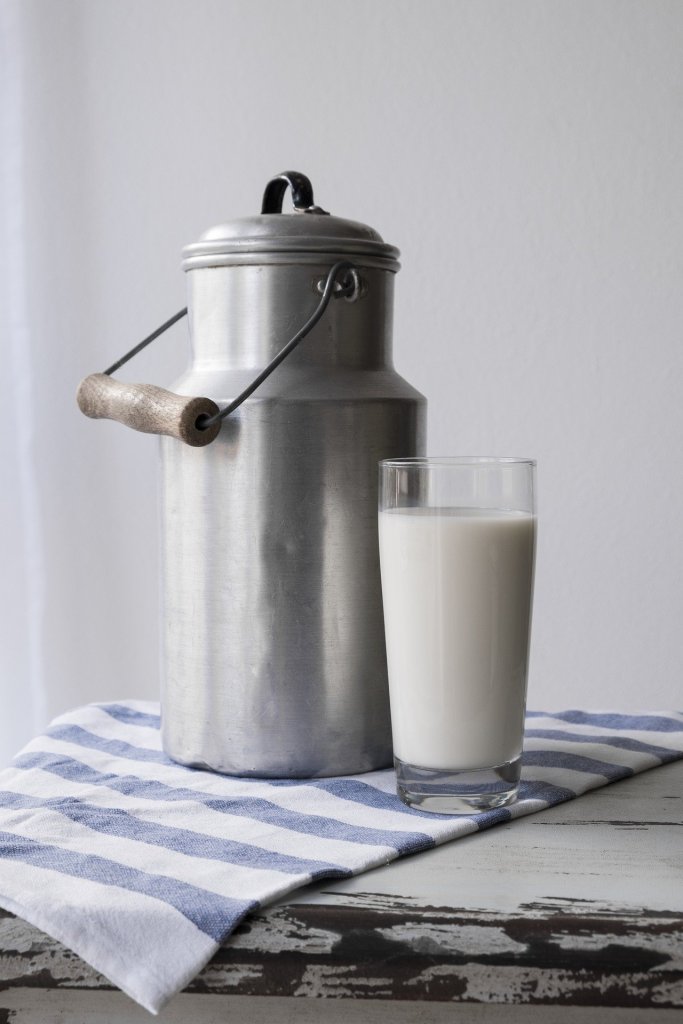
While it’s true that animal-based proteins are considered complete sources, this does need some qualification. Regularly consuming fatty cuts of beef, for example, will have a negative impact on health in the long term which will outweigh any benefits. However, choosing a lean cut of grass-fed and organic meat or sustainably caught fatty fish can have a positive effect on health:
- Lower risk of heart disease
- Lower risk of heart attacks and strokes
- Improved cholesterol levels and weight levels
And what about plant-based protein?
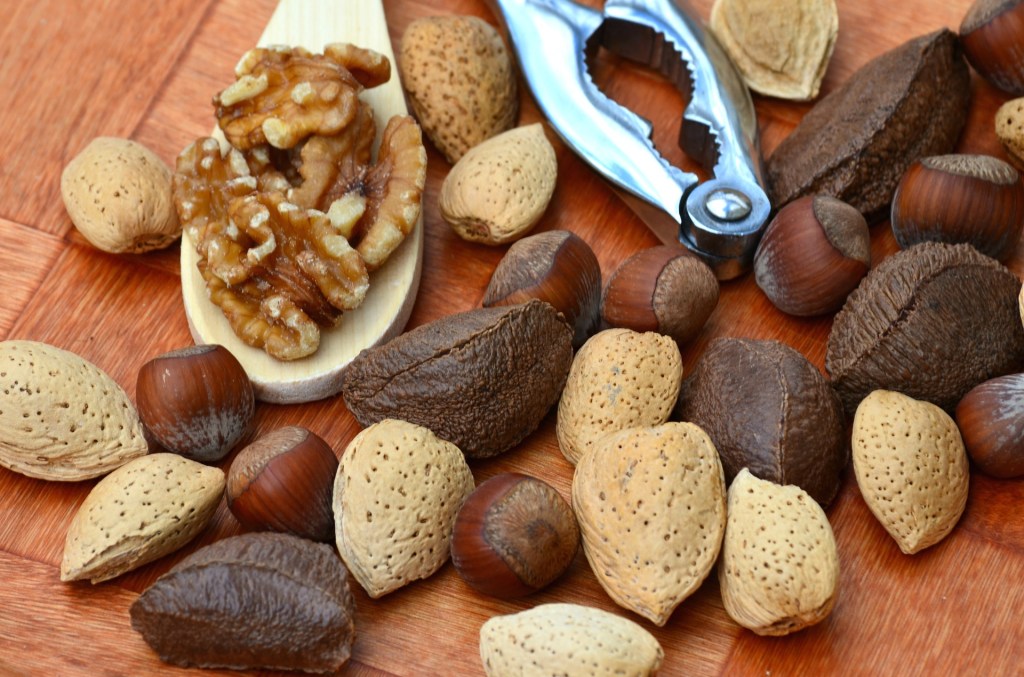
In general, plant-based foods tend to be lower in fat and cholesterol than their animal-based counterparts. Again, this needs to be qualified because, realistically, overeating is always going to lead to weight gain irrespective of what’s being consumed – remember the calorie deficit and surplus from the article about dietary fats? Provided that a good variety of plant-based food is included in the diet so that all the amino acids are represented in useful amounts, there are several health benefits:
- Helps to maintain optimum gut health
- Can help with reducing the risk of diabetes
- Promotes weight loss
What are the healthiest high-protein foods to include in my diet?
I’ve included in the list below both animal and plant-based protein sources. This isn’t an exhaustive list but covers the most common and easily purchased types. As always, I recommend that you do lots of research and consult with your doctor before making any radical changes to your diet.
Lean meats
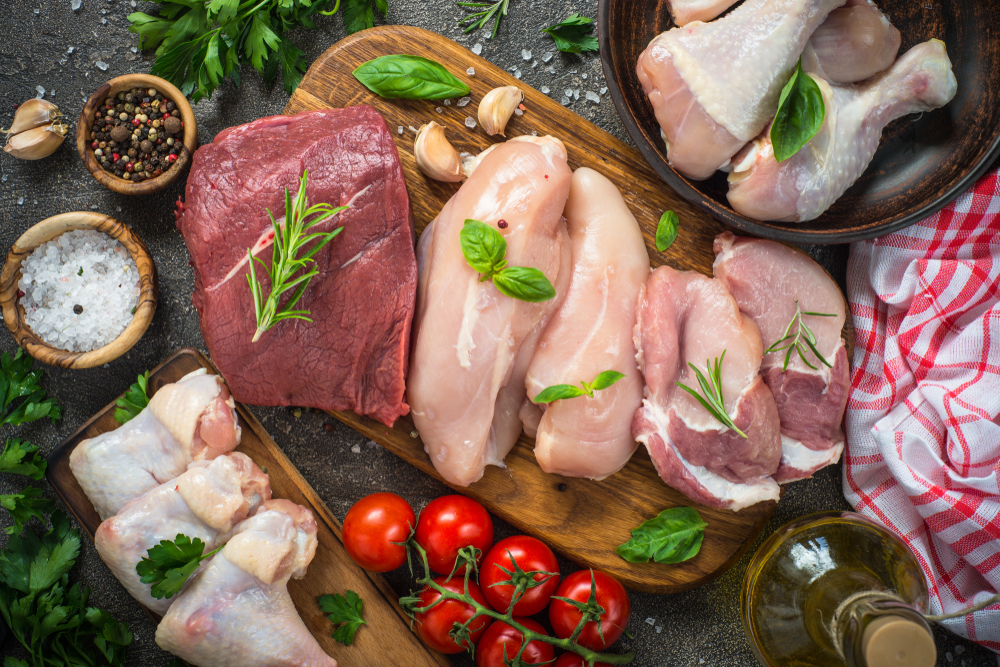
I would always recommend that you try to buy grass-fed, organic and free-range meat and eggs wherever possible. It is more expensive but I honestly think it’s worth it. The cost could be a good incentive to reduce the amount of meat that you have in your diet – quality over quantity, right? Here are a few figures:
- Lean chicken breast = 32.4g protein per 100g
- Fat free ground turkey = 31.7g protein per 100g
- Lean pork chops = 31g protein per 100g
- Lean grilled steak = 30.7g protein per 100g
- Lamb sirloin = 28.4g protein per 100g
I’ve stipulated lean or fat-free here because it’s important to remember that all foods are not created equal, irrespective of whether they are proteins, carbohydrates, or fats. A big ol’ burger patty dripping in grease may have a lot of protein, but it’s also going to have a ton of saturated fats! We have to look at the complete picture here.
As I mentioned earlier, animal products are complete protein sources but they also have a lot of other beneficial nutrients such as:
- High in Omega 3’s
- Vitamins B12, C & E
- Antioxidants
- Iron
- Zinc
Tuna
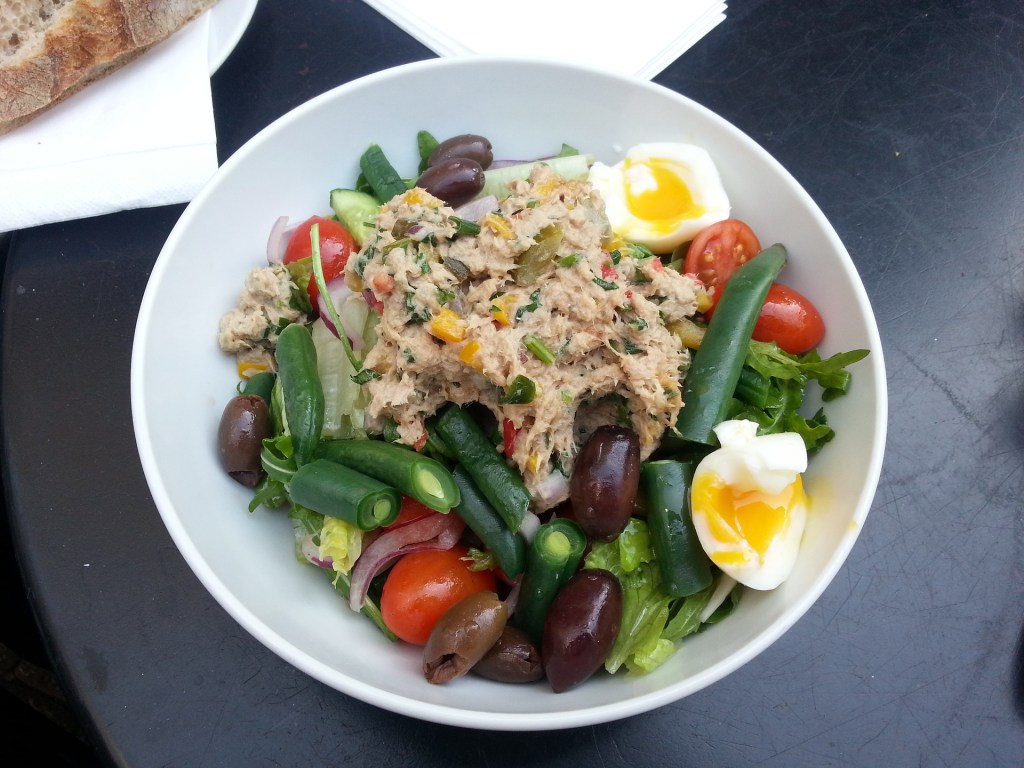
You have options here depending on how you like to eat it! A tuna steak seared under the grill or on the barbecue can be absolutely delicious, or perhaps a tuna salad sandwich is more your thing? Sometimes good old-fashioned tinned tuna is the only way to go – just check what liquid it’s been canned in first.
Personally, I’m not a great fan of fish, but every now and again I get a craving for a tuna sandwich – flaked tinned tuna mixed with finely chopped cucumber and red onion, squidge all of that around with a bit of apple cider vinegar and lots of black pepper then bundle up in some crusty wholegrain bread. So good!
Tuna comes in at 29.9g of protein per 100g which is pretty impressive (and I’d rather eat that than whelks, even if they are 47.7g protein per 100g!). It would also be easy to incorporate this into your diet a couple of times a week if you have a fancy to. What other good things does tuna have to offer?
- Lots of minerals – calcium, zinc, selenium and others
- Vitamin B complex
- Omega 3 fatty acids
- Complete protein
Lentils, Kidney Beans, and Chickpeas

I’ve put these in the same section as many of their health benefits are the same. Obviously, these are all plant-based and are some of the best protein sources for vegetarians and vegans. I think it would also be really easy to substitute them in for meat a few times a week for us omnivores, too. I’m a big fan of using lentils to make a bolognese, for example
Kidney beans will give us 9.5g protein per 100g, lentils 9g, and chickpeas 8.9g. As I mentioned before, very few of these plant-based proteins are complete so it is best to mix and match these rather than stick with just one kind. So many vegetarian or vegan populations have variations on the “rice and peas” recipes – knowledge of complementary foods has been around for hundreds if not thousands of years!
Lentils, kidney beans, and chickpeas have several health benefits apart from being a low-fat source of protein:
- High in fibre
- Slows rate of digestion and stabilises blood sugar (low on the glycaemic index)
- Helps lower LDL cholesterol
- Good for promoting satiety which can help with weight loss
These types of food are really nutrient-dense, as well as being high in fibre they also have lots of minerals such as iron, manganese, phosphorous, and copper.
Whole Eggs
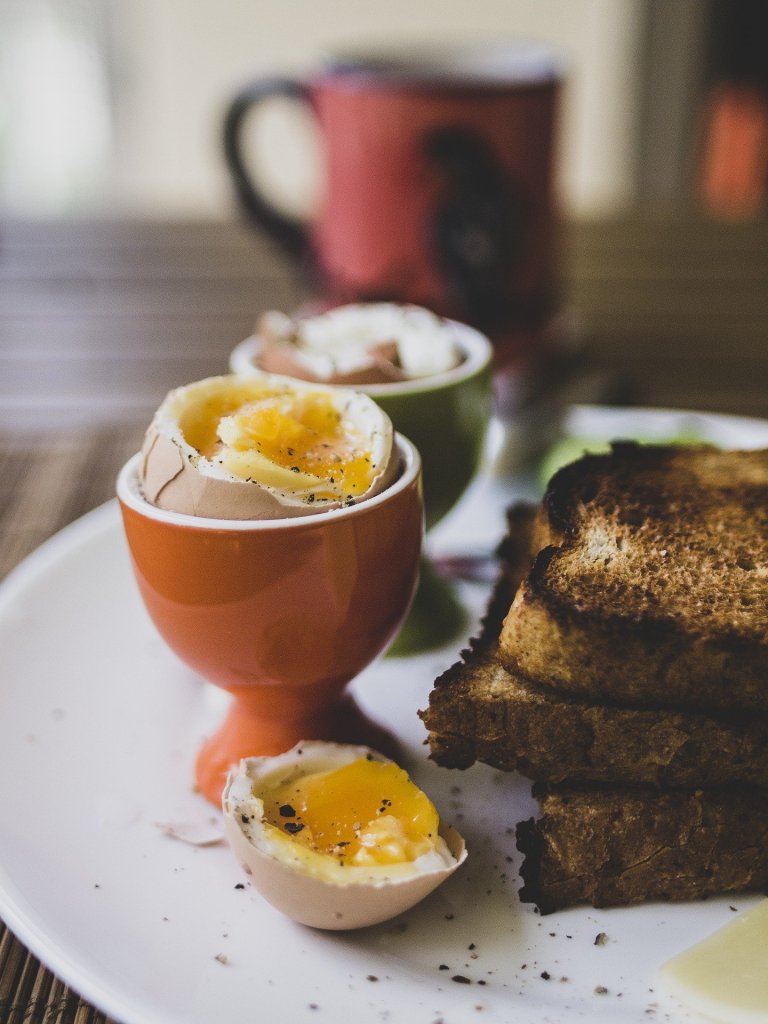
Eggs have had a bad time of it over the last decade or so. One minute they’re the best thing ever, and the next we’re being told to limit ourselves to just a couple a week. Which is right?
One of the main arguments against eating a lot of eggs was that they increase levels of cholesterol in the body. While it’s true that the yellow yolk does contain cholesterol, it has a minimal effect on levels in the blood – your liver already produces cholesterol every single day depending on how much is in your diet. It will produce less to balance things out as needed.
Eggs can help to raise the levels of “good” HDL cholesterol while simultaneously having an effect on the size of the “bad” LDL cholesterol particles. Larger LDL particles have been linked to a lowered risk of heart disease. Following extensive research, it has been found that eating up to three whole eggs a day will be perfectly safe for healthy individuals
Eating a delicious organic free-range egg will give you a tidy little bundle of nutrition. As well as being a complete protein (12.6g protein per 100g) they also contain:
- Vitamins A, B5, B2, B6 and B12
- Vitamins D, E and K
- Choline
- Phosphorous, selenium, calcium and zinc
Chia Seeds
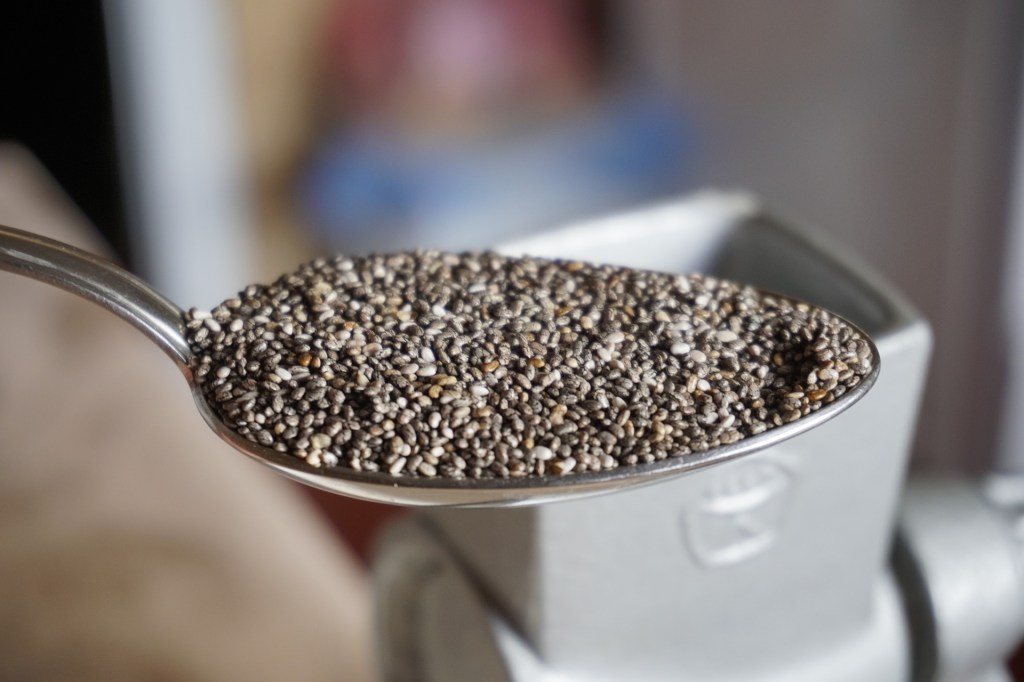
I’m quite a recent convert to these little beauties – I only discovered them a couple of years ago, and I’m definitely getting braver in using them now! The weird gel-like texture that they take on when soaked put me off a little bit (tiny frogspawn springs to mind!) but I’ve gotten past that now…
Thanks to the squidgy texture you can use them in place of eggs in vegan cookery, in making puddings and jams, in smoothies to give them a bit more substance. And they are also really good just mixed into porridge or as a crunchy topping for salads. I’ve just started toasting them and adding them into my quinoa granola – so yummy!
So, once you’ve gotten used to preparing them you can bank on getting 16.5g protein per 100g, as well as a host of other nutrients:
- Calcium, phosphorous, magnesium
- Omega 3’s
- Antioxidants
- Fibre
Fibre is so important in our diet but more often than not we’re not getting enough. Adding some chia seeds into your diet can increase your fibre levels which helps with:
- Maintaining bowel health
- Controlling blood sugar levels
- Achieving a healthy weight by increasing levels of satiety
So what’s the “take home” from all of this?
I appreciate that this is another long post today so I’ve cut down the list of protein sources just to cover the main alternatives. I suspect that I will revisit this in the future and include some more ideas and sources in more depth. The list of articles that I want to write gets longer every day!
For me, the important thing that I try to keep in mind is that a mixture of protein sources is the best way to go. I eat a limited amount of meat so I make sure to top up with beans, chia seeds, eggs, and so on. Having a number of different proteins on rotation is also a really good way to ensure that you’re getting a good range of other nutrients as well.
I would definitely recommend that you read up on fibre and perhaps have a go at estimating how much you get in your diet daily. I’ll cover fibre in another article in more depth, but adding some beans, seeds and whole grains into your diet now would be a good start!
It’s got to be quality over quantity
Going back to your butcher for good quality grass-fed organic meat will also pay dividends in the long run. There is a school of thought which says that a high proportion of allergies and food intolerances can stem from the chemicals and antibiotics and so on that go into the rearing of “battery” animals, be they chickens, pigs, or cows.
Yes, I know that going to the butcher can work out more expensive but, as I said earlier, it’s time to start thinking in terms of quality over quantity. It’s easy enough to buy mince and battery farmed chicken from the supermarket and have it for supper every night, but it is surely outweighed by the potential for harm that you could be doing to your body.
There are so many sources of information now – recipe books, Pinterest, the vast pool of the internet – that’s it’s easy to find recipes that will suit you and your family, won’t break the bank and will give you a nutrient-dense diet every day of the week.
Finally, I do use protein powders every day in one form or another. I haven’t mentioned them here because I feel like they deserve an article of their own – watch this space!
 Nomadic Nutritionista