
Okay, it’s a long post today but hear me out on this! There are thousands of articles out there describing how we should cut fats out of our diet and choose low-fat options of products where possible. I don’t necessarily disagree with all of them, but I’d like to plead the case for the defence. Let’s start at the beginning…
First, the science bit…
On a molecular level, 90% of fats are triglycerides – they’re composed of one glycerol molecule and three fatty acids. As they consist mostly of carbon and hydrogen atoms, they are naturally hydrophobic. Obviously, this causes a bit of a problem in our digestive tract because fat then tends to clump together to form large droplets.
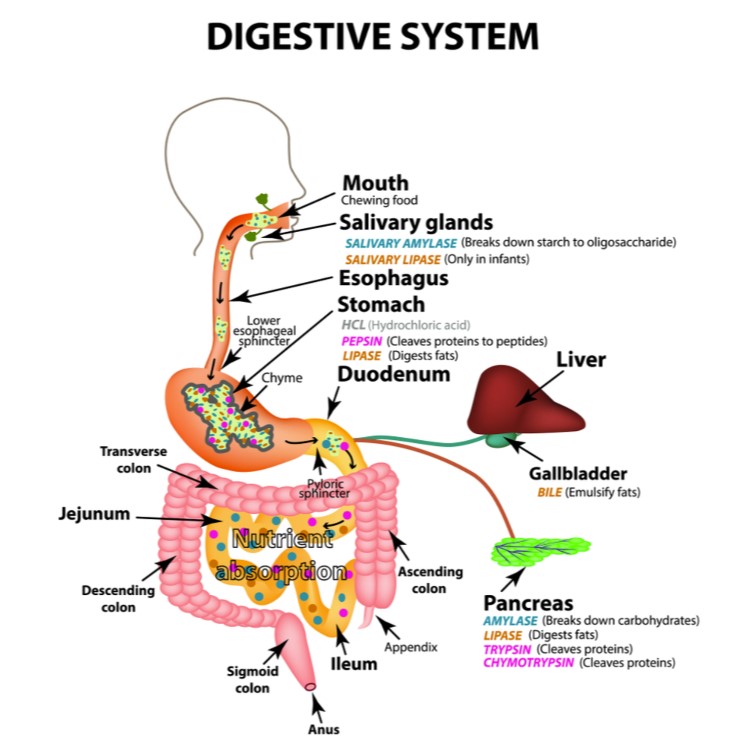
I present to you the superhero of the story – bile! As you know, bile is produced in the liver and stored in the gall bladder. When the time is right it mixes with the fat droplets in the small intestine and acts as an emulsifier – hurrah!
The bile salts in bile break the larger fat droplets up and coat them to form much finer droplets. This of course gives them a larger surface area which allows pancreatic lipase (the fat-digesting enzyme) to act on them more efficiently.
Pretty cool, right? It’s crazy to think that all of these chemical reactions are going on in our bodies without us having to lift a finger!
So what happens next?
Well, I’m glad you asked! Once the lipase has done its work, we’re left with glycerol and fatty acids (remember that they’re the components of fat that we talked about earlier? All the lipase has done is break the dietary fat down into its basic parts so that it can be used by the body). The monoglycerides and fatty acids are resynthesized into triglycerides in the epithelial cells within the small intestine. These new triglycerides are then diffused into the lacteals, or lymphatic capillaries, and from there into the bloodstream.
Once they are in the bloodstream, these triglycerides are once again broken down into fatty acids and glycerol by lipoprotein lipases. And then, quite randomly (well, not that randomly, I guess!) insulin gets involved.
Isn’t insulin associated with blood sugar and diabetes?
Yes, the function of insulin relates to the storage of glucose as glycogen. After I’ve eaten my lunch, for example, the pancreas secretes insulin which causes the ingested fats and glucose to be stored as fat for future use. It stimulates the creation of glycogen from glucose – the glycogen is then stored in my liver and muscle tissue until it’s needed.
However, if my insulin levels are too high then too much glycogen is produced for the liver to store. Instead, insulin instructs my fat cells to take up the excess glucose and store it as saturated body fat (yep, those triglycerides again!). And that’s how insulin plays a part in how fats are stored in the body.
That’s quite a journey!
I’ve simplified the process quite a lot, but it’s obvious that the fat we eat goes through a lot of different stages before it finally gets used up by our bodies as energy, or gets stored for later as body fat.
So after all that, what do we actually need it for?
We literally can’t survive without dietary fat
I die a little bit inside when someone tells me that they are cutting fat out of their diet completely. I mean, I can completely understand the sentiment but cutting a whole macro-nutrient out of your diet is a little bit extreme and can actually do more harm than good.
Did you know that fatty acids are vital for regulating hormone production? Fat is stored in our bodies as adipose tissue (which sounds so much nicer than just saying “body fat”!), and it has been found that this tissue is responsible for releasing a number of different essential hormones with the following functions:
- Blood pressure control
- Clotting of blood
- Sending messages between cells
- Storage and metabolism of fat to release energy
As I’m sure you know, there are water-soluble vitamins and fat-soluble vitamins, Without fat in our diet we can’t metabolise and use the fat-soluble variety – vitamins A, D, E and K (more about them in another post, just know for now that these all have vital functions that we really can’t remain healthy without).
Fat also insulates our bodies and helps to regulate our temperature, as well as keeping our skin and hair healthy. And, while carbohydrates are our main energy source (again, I’ll be covering that in another article), our bodies can easily use fats to serve this purpose should carbohydrate-based energy not be available.
What do we mean when we talk about dietary fats?
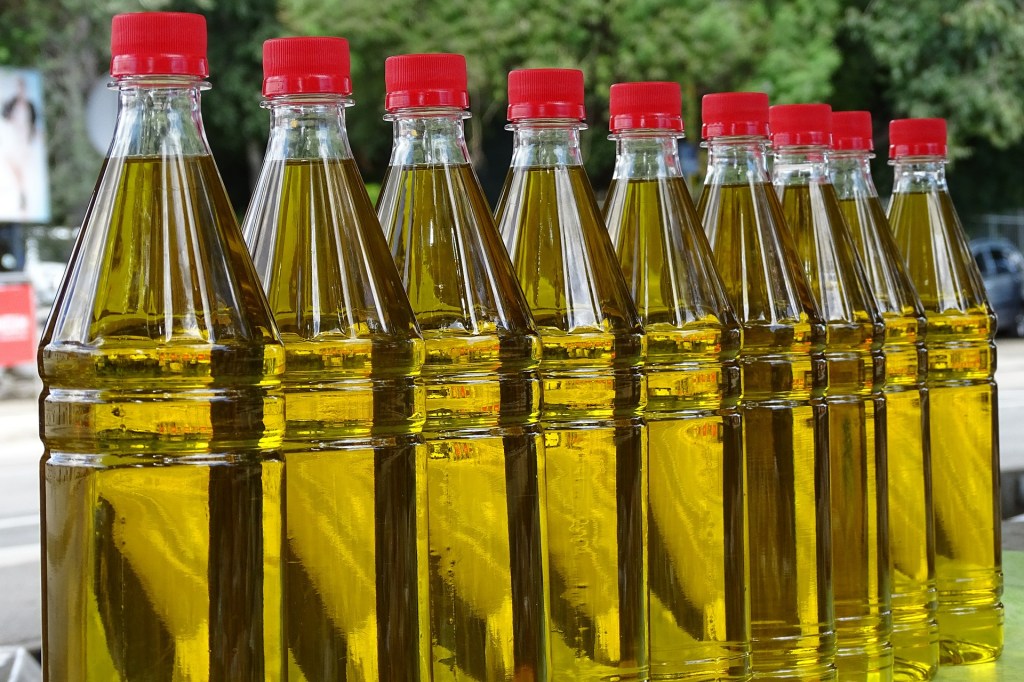
It’s almost impossible to get through an advert break on TV without hearing about how a particular brand of butter or spread contains mono-unsaturated or poly-unsaturated fats. But what does this actually mean and which fats should we be looking for?
I’ll spill the tea for you! Firstly, we have saturated and unsaturated fats.
Animal fats are mostly saturated, while plant and fish fats are generally unsaturated. And of course, the majority of processed foods will be high in saturated fat too.
Unsaturated fat can then be split into monounsaturated and polyunsaturated fats. Monounsaturated fats can be found in red meat, whole milk products, olives, and avocados. Polyunsaturated fats can be found in walnut oil, sunflower seeds, peanut butter, and salmon.
We also have trans fats, which I’m sure you’ve heard of. These fats are found naturally in animal products such as milk, cheese, beef, and lamb. Research has found that these are not harmful as long as the daily intake is moderate. Artificially produced trans fats are a by-product of the hydrogenation process and should be avoided at all costs!
Hydrogenation? What’s that all about?
I’ll be honest until I started researching fats I actually had no idea what this meant – obviously hydrogen is involved, but that’s all I knew.
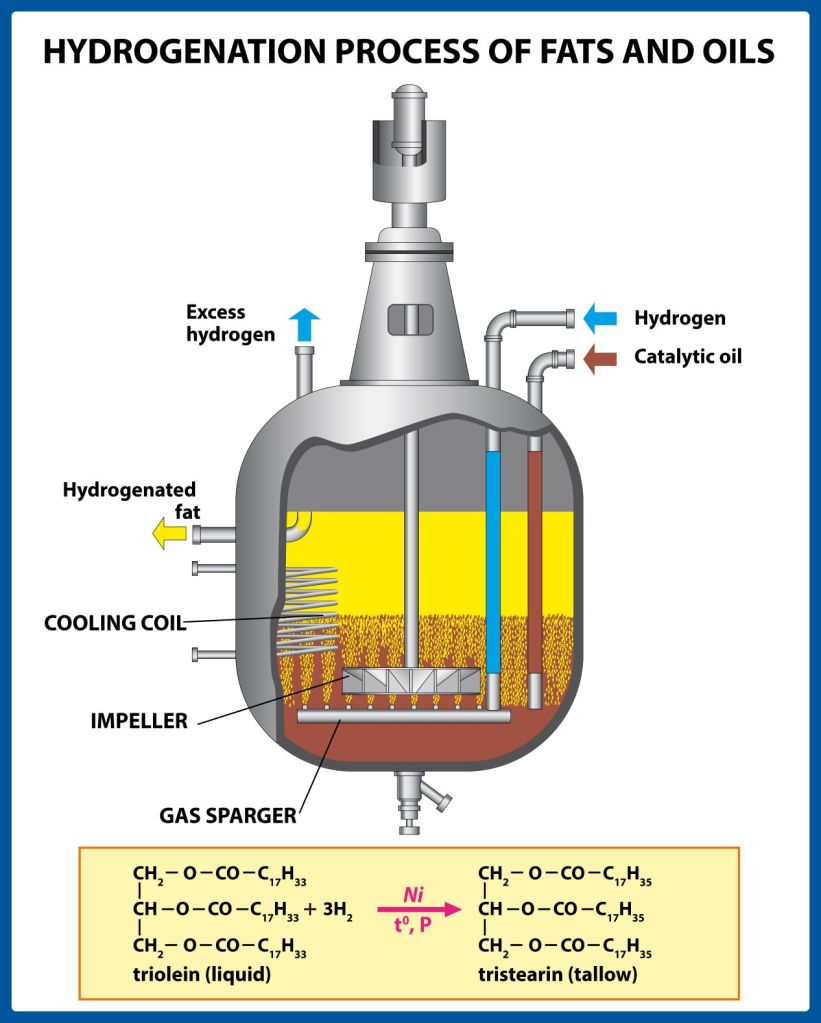
So here’s the thing – in an effort to make fat that’s cheaper than animal fats but has the same properties, manufacturers use hydrogen to convert liquid vegetable oils into semi-solid and solid fats. These hydrogenated fats are usually more heat stable and have an increased shelf life.
How do they do this? The unsaturated vegetable oil is heated, then hydrogen gas is pushed into the oil in the presence of a catalyst such as nickel. This changes the molecular structure of the oil so that it forms into a more solid fat. The level of saturation can be managed so that the end result is either fully or partially hydrogenated. Check the ingredient labels on the food in your fridge and pantry – you’ll be surprised how often this is included in everyday items.
Artificial, or industrial, trans fats are a by-product of this process and it has been found in clinical studies that consuming these trans fats can increase LDL (bad) cholesterol without also raising the HDL (good) cholesterol levels. Not exactly ideal. Trans fats have also been linked to an increased risk of heart disease.
So in real terms, what fats should you include in your diet?
As long as the amounts ingested are controlled and don’t lead to a calorie surfeit, it’s fine to include a mix of monounsaturated, polyunsaturated, and healthy saturated fats in your diet. As we’ve already seen, fats are vital for our health and well-being – we just need to make educated decisions about what we choose.
Let’s start with Omega oils
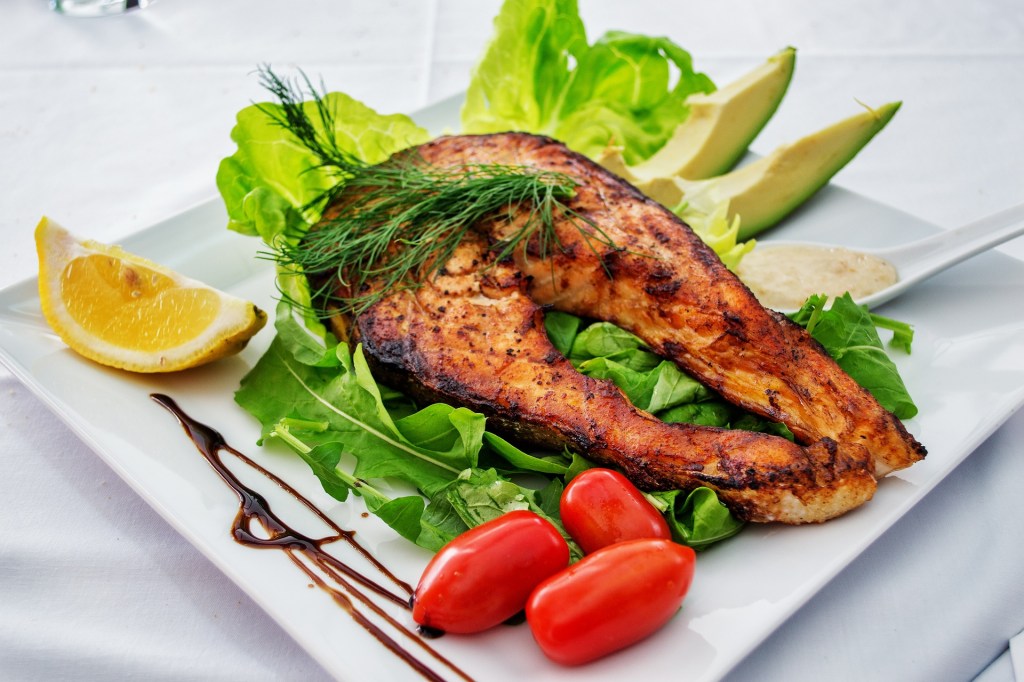
There’s been a real trend over the last decade or so to make sure we’re all getting our daily dose of Omega 3 oils. Fish and krill oil sales have gone through the roof, and we’re all trying to get a couple of portions of fatty fish into our weekly meal plans.
However, did you know that there are two other Omega oils? Omega 6 and Omega 9 are also important for our health, but quite often we eat far too much Omega 6 which can cause an imbalance.
As you know, Omega 3 is found in fatty fish (salmon, mackerel, etc.), flax seeds, chia seeds, and walnuts among others. The health benefits they offer are pretty significant. For example:
- Fighting inflammation
- Promoting bone health
- Decreasing liver fat
- Supporting mental health
Omega 6’s are generally used for energy and also play a role in brain function, growth, and development. Good sources of this fatty acid can be found in many of the same foods as Omega 3, such as sunflower oil, soy oil, and sesame oil.
And let’s not forget Omega 9! These fatty acids can be produced by the body and are pretty abundant. Omega 9 has anti-inflammatory properties and has been found to be important for healthy brain function. As I said, these fatty acids are non-essential as they are produced naturally but they can also be found in olive oil, avocado oil, almonds, and walnuts.
Finding the right Omega balance
The recommended ratio of Omega 6 to Omega 3 in the diet is around 4:1 – but did you know that the average Western diet generally has a ratio of around 20:1? This level of imbalance can cause health problems and so should be addressed.
A good approach is to identify the sources of Omega 6 in your diet (look out for the oils you’re using to cook with, for example) and reduce them, rather than just trying to increase the levels of Omega 3 to balance the ratio out.
Friendly fats that we can include in our diet
Let’s be honest, fats make our food taste good and they help to keep us feeling full for longer after we’ve eaten. What can we include in our diet that will give us these benefits in a more healthy way? Here are a few options that you could try, along with some reasons why they can be good for us (in controlled amounts, of course!):
Coconut Oil
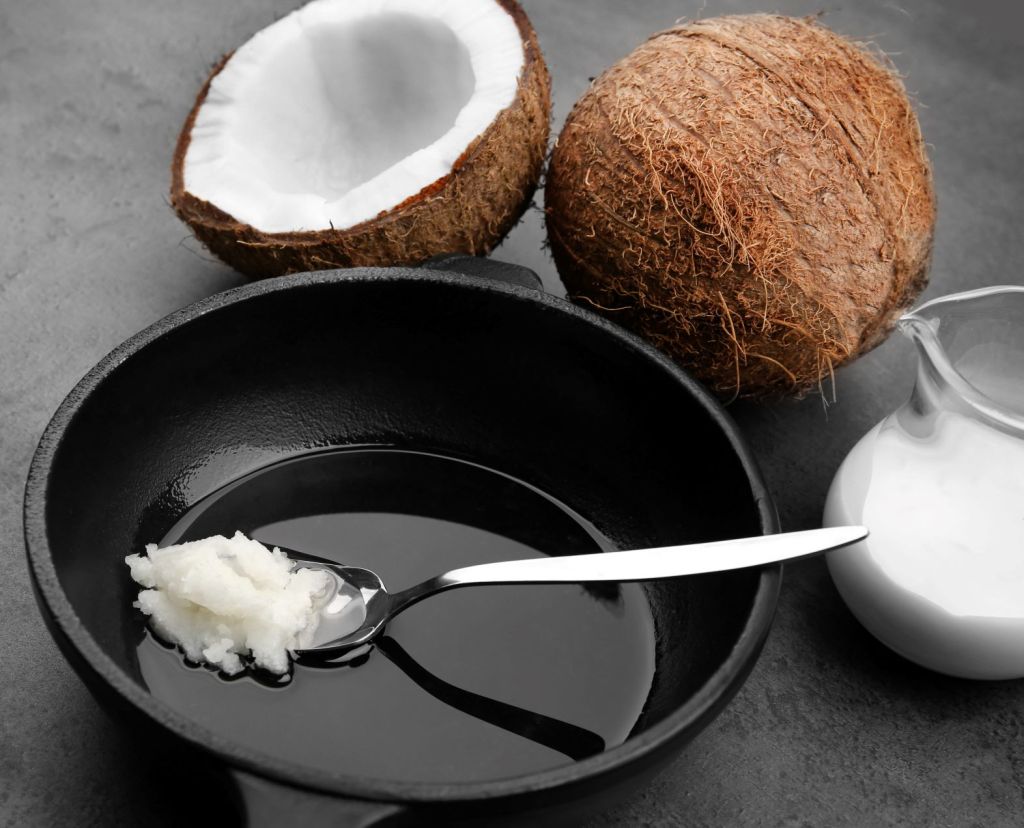
This has gained a lot of traction in the West over the last decade or so, although coconut oil has been used for a long time in India and Asia. It’s a really versatile product and can be used for cooking and baking, as well as for conditioning the hair and moisturising the skin.
It’s essentially tasteless so can be used for cooking both sweet and savoury food. I personally use coconut oil whenever I’m shallow frying eggs or potatoes etc., and also when I’m making protein muffins.
There are quite a few benefits to including it in your diet in place of other more shady oils and fats (remember all that stuff about hydrogenation?):
- It has the potential to reduce hunger thanks to the MCTs (medium-chain triglycerides it is made up of
- May boost heart health when used in moderation
- Can have a positive effect in reducing the instance of epileptic seizures in children (although researchers are not yet entirely sure why)
- increases HDL (good) cholesterol while decreasing the level of LDL (bad) cholesterol
If you choose to include coconut oil in your diet, make sure to find an organic virgin oil rather than a refined version.
Ghee

You’ve probably heard of this in relation to Indian cooking where it is used more than any other type of fat. It’s essentially butter that has been heated and the milk solids and water removed.
These days most supermarkets have it in stock, although it’s worth checking the label to make sure that it’s made from pure butter and doesn’t have any nasty stuff like preservatives in it.
I haven’t actually tried making it myself but it’s on my “to do” list – if you’ve given it a go then let me know how it turned out!
So why should we use this instead of other fats? Here are some of the potential benefits:
- One of the fatty acids in ghee, butyric acid, has been found to have anti-inflammatory properties
- It contains all of the fat-soluble vitamins – A, D, E and K
- It can be a good option for lactose intolerant people to try as it contains only trace amounts of milk sugars and proteins
- Ghee has a high smoking point which means that it can be cooked with at high temperatures without breaking down and producing free radicals
Ghee can be cooked with as it is, or can be flavoured with herbs and spices – you could even try it on popcorn!
Extra Virgin Olive Oil
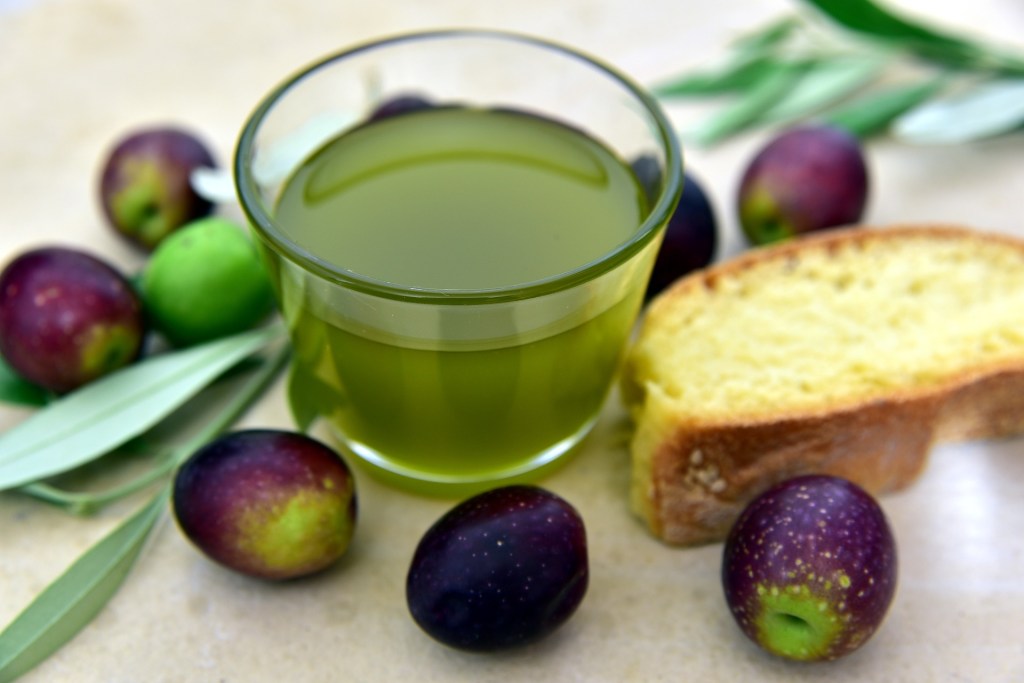
I’m pretty sure we’ve all got some of this kicking around in the kitchen at home, right? We probably associate this most with the Mediterranean, and there have been many studies done that attribute the longevity of people in Italy, Spain, and Greece to the inclusion of olive oil in their diet.
But what does that actually mean? How can extra virgin olive oil help our health? Well, let’s see:
- Oleic acid is present which has been found to have anti-inflammatory properties
- It’s rich in antioxidants which of course can reduce oxidative damage (remember that craze around free radicals a few years ago?)
- Studies have indicated that a diet containing extra virgin olive oil can improve brain function and reduce cognitive impairment
- If used in moderation it can help to lower blood pressure
Culinary experts suggest using extra virgin olive oil for dressings and for dipping bread into, for example, rather than cooking. However, that could just be because it’s rather more expensive than the refined or virgin oils that are available. Studies have been done which show that cooking with extra virgin olive oil, even at high heats, is perfectly safe and delicious!
Avocados
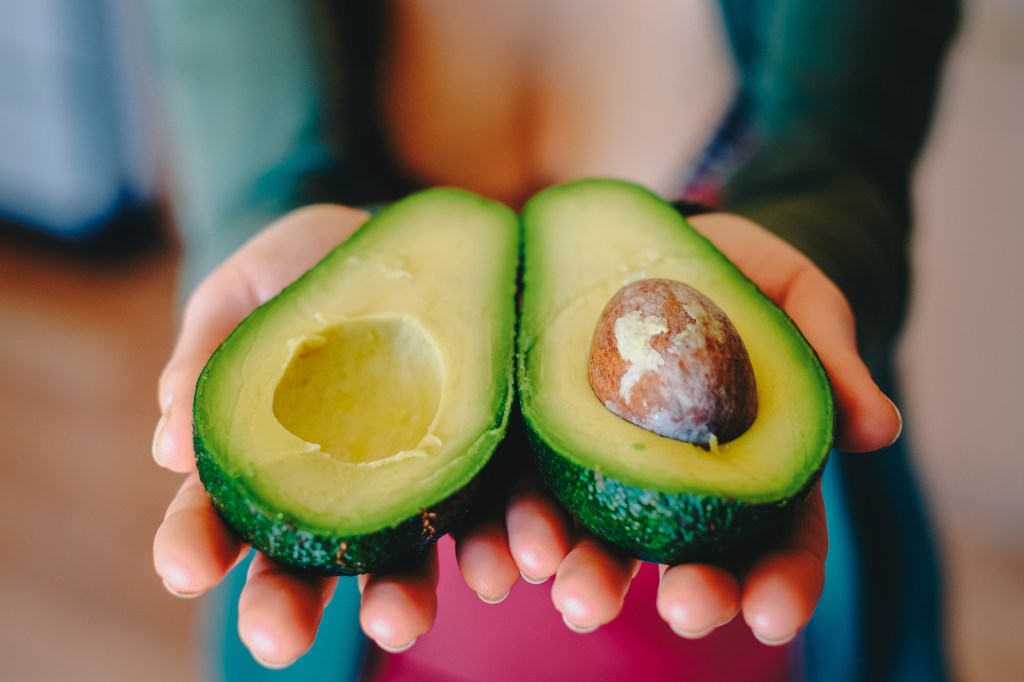
I’ve found that these are a bit like the Marmite of the fruit world! I think that, more often than not, it’s the slightly soapy fatty texture that puts people off rather than the taste. Personally, I love them, and I’d eat them every day if I could!
For those of us that like to eat these little “alligator pears”, here are some of the benefits they give us:
- Stuffed full of the fat soluble-vitamins (A, D, E and K)
- They have high levels of potassium which can reduce high blood pressure
- They’re also packed with fibre which is good for bowel health and helps us feel full after eating
- They contain lots of antioxidants including lutein and zeaxanthin – both really important for eye health
If you don’t fancy smooshing up an avocado with some apple cider vinegar, Tabasco and pepper, spreading it on crispy toast and topping off with a poached or fried (in coconut oil, naturally!) egg – my preferred method of eating! – then avocado oil is also available for both cooking and as a dressing. As with coconut oil, you can also use avocado oil on your skin and hair to improve their condition.
Other great sources of healthy fats that you can include in your diet
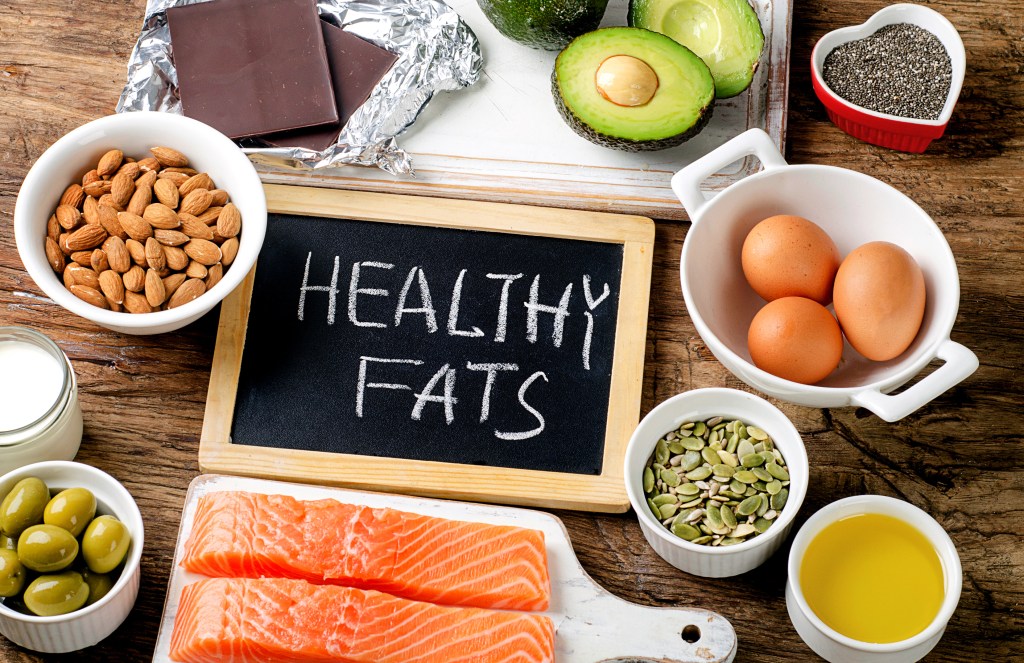
Honestly, I could give you a huge long list of many other animal and plant-based sources of healthy dietary fats, but we’d be here all day!
Here’s a list of a few that you can try to include depending on your preferences – please do research them before adding them in to your diet so that you know what you’re getting from a nutrient point of view:
- Fatty fish – salmon, sardines, mackerel, tuna etc
- Seeds – sunflower, chia, flax, hemp
- Eggs
- Nuts – almonds, walnuts, brazils
- Grass-fed animal products – lean meats, butter, cheese
But one thing we shouldn’t lose sight of is that any fat, healthy or otherwise, can cause us to gain weight if we are eating more calories than we are burning. Fat has 9 calories per gram, which is higher than carbohydrates and protein (4 calories per gram for both). While I’m not suggesting that you sit down every day and work out your macros (unless that’s something that you find helpful), it’s definitely worth keeping in mind.
There are lots of resources out there about optimum levels of fat to include in your diet based on your energy needs, so it’s worth doing a bit of research.
But what about the fats that we need to cut from our diets?

There has been a lot of publicity about how bad saturated fats are for us, and that’s true as far as it goes. But all saturated fats are not created equal!
As we’ve said before, it’s all about balance – there are healthy saturated fats and there are unhealthy fats. I think we all know well enough now that a diet consisting of pizza, burgers, and fries is not going to end well! These all contain saturated fats which are more than likely hydrogenated and therefore will also contain trans fats. They are also going to be fairly light on nutrients which means that you’re essentially eating “empty calories”.
The healthy saturated fats that we have already talked about, coconut oil, and so on, can of course have a detrimental effect on our health if we eat too much of them, but in the right amounts, they also offer a multitude of benefits to our health and well being.
Be choosy with where you buy and what you order
I honestly believe that it’s a case of everything in moderation. Of course, it’s perfectly fine to cut processed “junk” food out of your diet completely, and I doff my imaginary hat to anyone that has the willpower for that. For me though, I’m content to have pizza every now and again (and maybe a side of garlic bread…!) but I’m more selective about where I buy it from.
Since we’ve been on lockdown there are so many pubs and restaurants that have turned to take away foods to stay in business, and the majority of them near my home are using the same fresh locally sourced ingredients as always. So if I order pizza, I know that the base is handmade and the toppings are more than likely going to be fresh produce rather than processed.
And at the same time, it’s okay to have Chinese food, or a takeaway burger – just don’t make it a regular weekly thing. Fancy a doughnut or a slice of cheesecake? Why the heck not?! Sunday roast with all of the trimmings? Go for it – there’s usually a good selection of steamed or boiled veggies so make sure to fill up on those rather than a heap of roasties!
My philosophy is that a little of what you fancy does you good. By having these cheeky meals now and again I avoid cravings for “bad” foods and I don’t binge. I don’t see them as “cheat” meals, and I definitely don’t then workout twice as much in the days after as “punishment” for eating them. Be kind to yourself, show yourself grace, and enjoy what you eat!
 Nomadic Nutritionista